WEBSITE CASE STUDY
Building my portfolio and Jethnology around clear evidence of my work
· By Jethro Frane · 3 min read
The decisions behind my personal website: a clear recruiter path, real project evidence, a separate creator area, and AI-assisted changes checked in the browser.
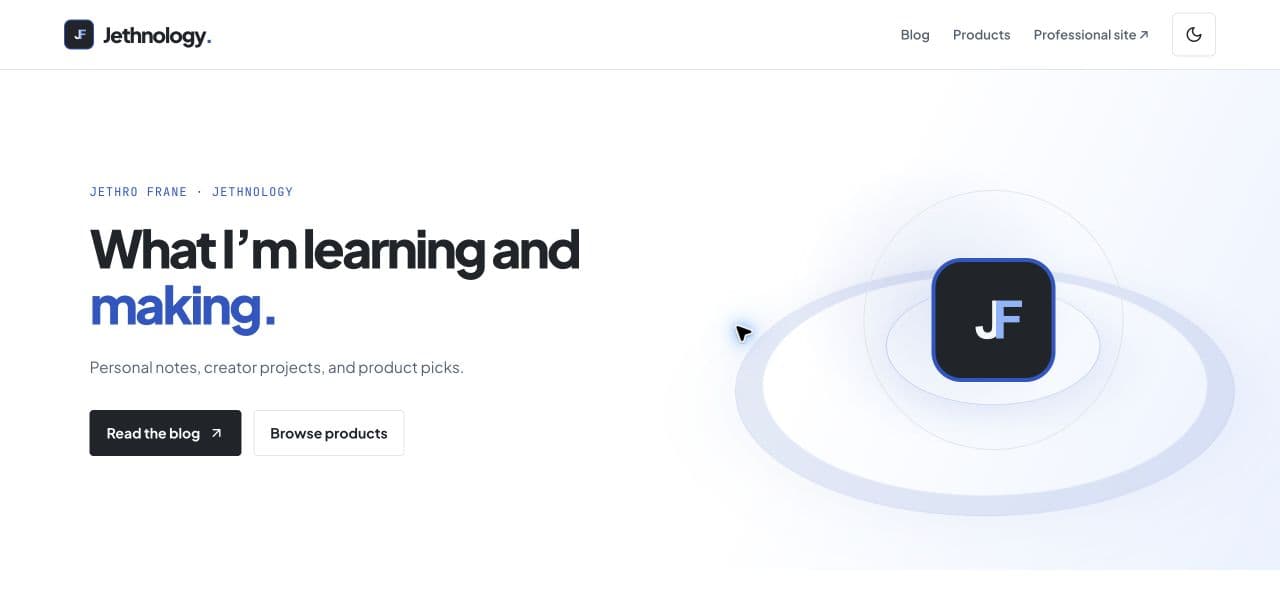
I wanted my portfolio to answer three questions quickly: what experience do I have, what work can someone inspect, and where is my CV?
As I added Jethnology, I also needed a place for creator content. I’m now keeping those paths in one site, with clear labels and a quieter creator hub link.
What I changed
The professional pages lead with my experience, projects, and CV. Creator socials sit in Jethnology. Email, LinkedIn, and GitHub stay easy to find on the professional pages.
The PDF opens in a new tab. The AI-tools strip lists tools I’ve tried or used in guided project work, while the resume explains my level of familiarity.
Show what I actually contributed
My internship at Gencys Digital Trading Inc. included WordPress/Elementor updates, responsive checks, and Jira issue tracking. I keep that contribution separate from my personal projects.
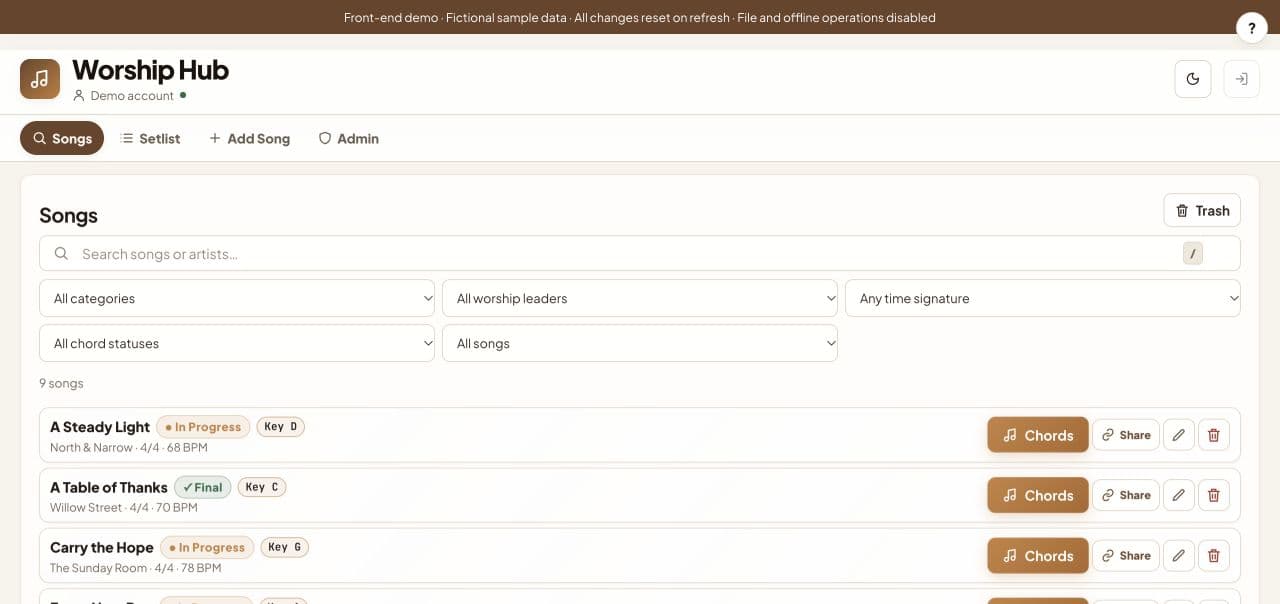
Current Exponential University screenshots are labeled as current previews. Other case studies show actual project interfaces or demos with fictional records.
How I work with AI assistance
Codex and Antigravity help me inspect files and implement revisions. I set the goal, question the wording and behavior, and check the result in the browser.
Two useful corrections were a footer logo that needed better contrast and a loading boundary that caused an unknown article to return a successful response. The loading state was moved into the content section so missing articles returned 404 again.
What I learned
A build can pass while a page is still hard to use. I need technical checks, visual review, and accurate content together.
The site uses Next.js, React, TypeScript, Supabase, and Vercel. I’m learning through AI-assisted project work with that stack. The resume and projects explain the experience behind the site.
Treat the CV as part of the visitor journey
The resume page gives a quick overview, and the PDF gives someone a document they can view or save. Both should describe the same roles, dates, and selected projects. A visitor should not have to compare two different versions to understand my experience.
I also want each project to answer a practical question: what was my role, what can someone inspect, and what does the example demonstrate? Internship work needs a clearly bounded contribution. Independent projects need an explanation of the problem, the implementation approach, and any demo limitations. Those distinctions make the portfolio easier to evaluate than a long list of tools alone.
Project screenshots
Thanks for reading.Explore my projects